
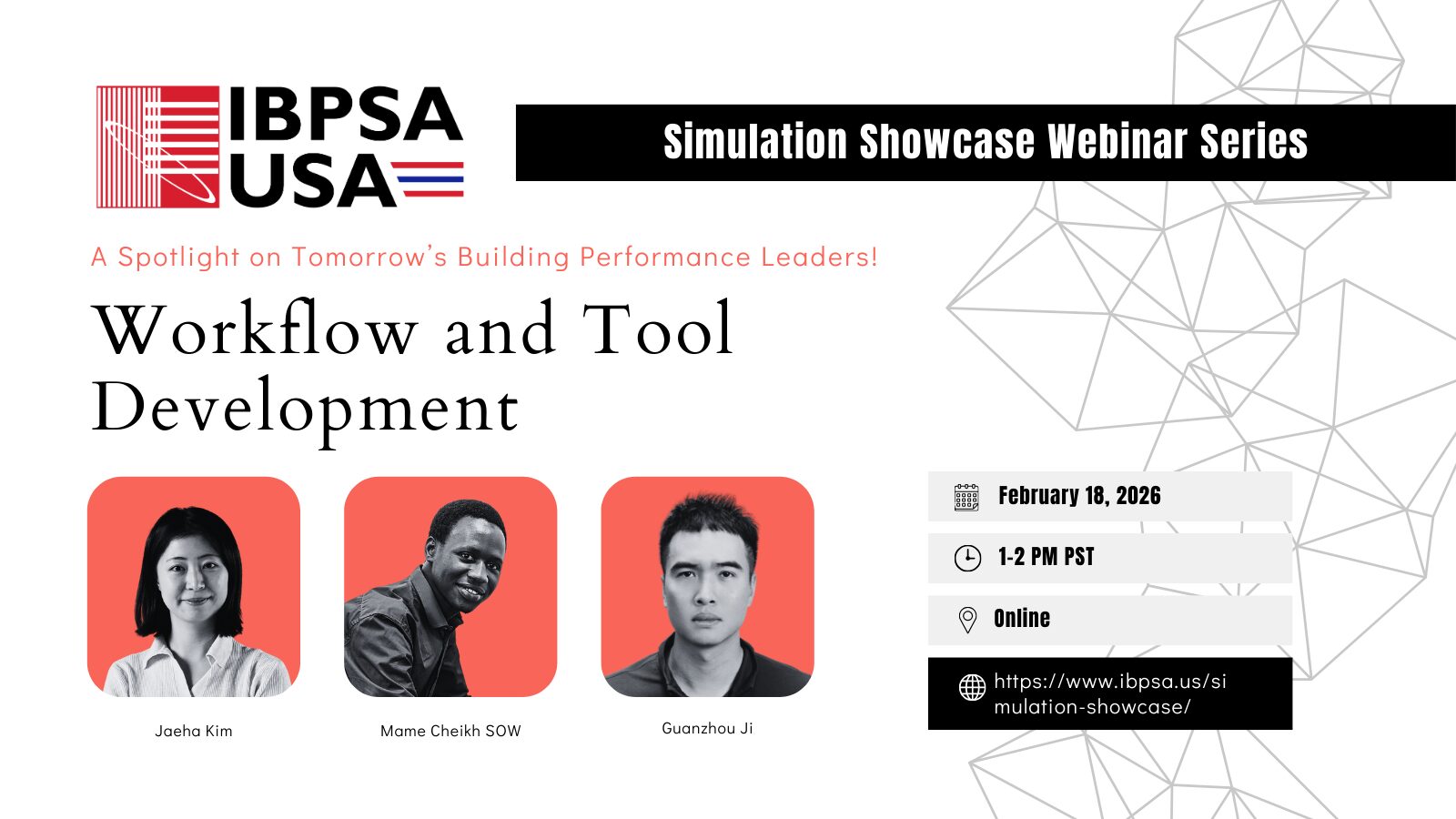
Simulation Showcase: Workflow
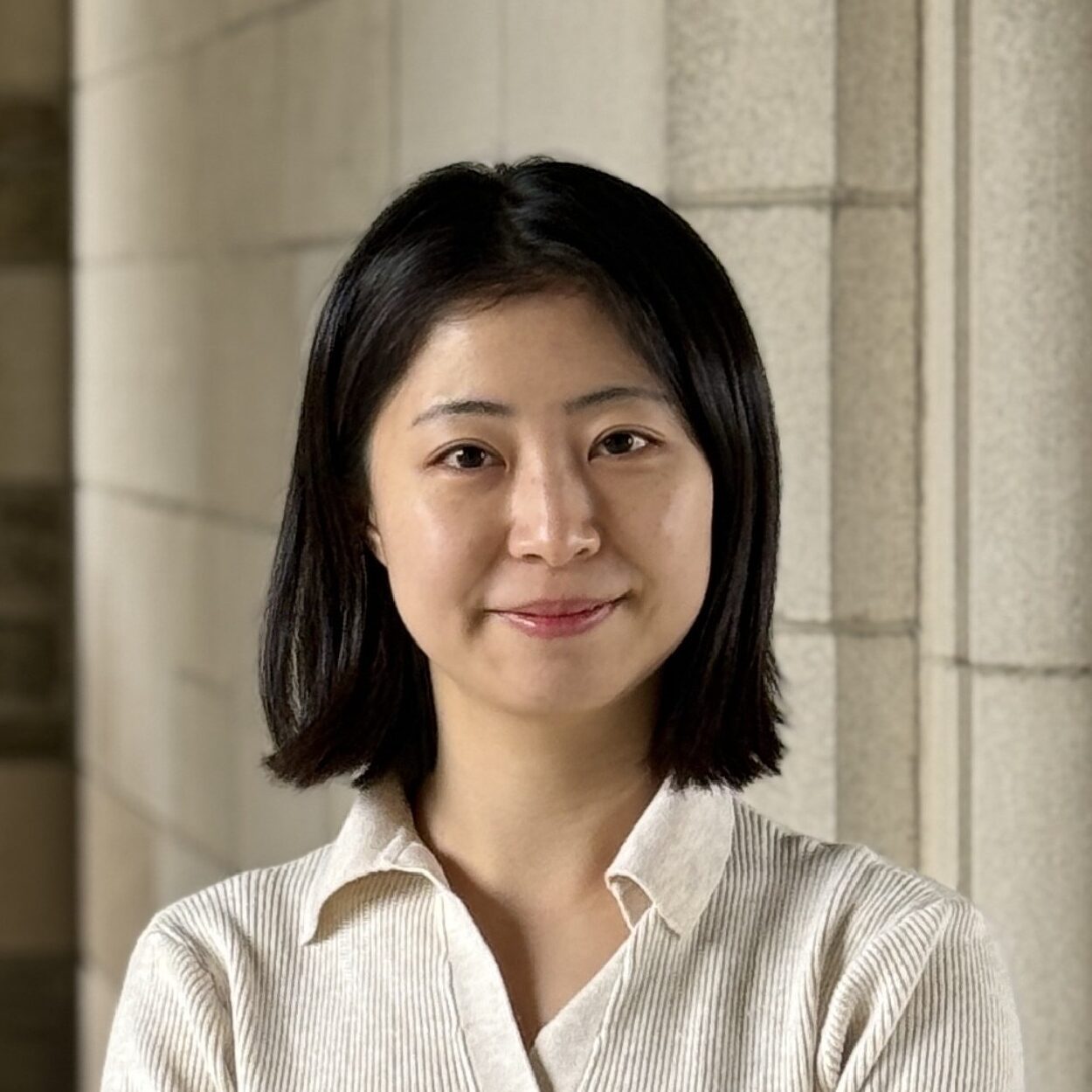
Jaeha Kim
As a Ph.D. candidate in Systems Engineering at Cornell University, my research in the Environmental Systems Lab under Prof. Timur Dogan focuses on visual comfort, qualitative metrics development, and occupant comfort simulation for the sustainable built environment. My interdisciplinary educational background—M.S. in Systems Engineering, M.S. in Advanced Architectural Design (Cornell University), and B.Arch (Hanyang University, summa cum laude, 2017)—bridges engineering principles with built environment applications. My undergraduate thesis, "Senior Center: Senior Center Supporting Senior's Living in Urban Area," established my early commitment to designing environments that enhance quality of life for vulnerable populations. This foundation was enriched through an exchange program at Politechnika Krakowska in Poland and internships with Tomii Masanori's Design Studio on multi-family housing projects. Following graduation, I served as Architectural Designer at BAU Architects in Seoul (2017-2020), developing expertise in architectural design, construction supervision, and energy consulting. This experience revealed a critical gap: while building performance simulation technologies advanced rapidly toward energy optimization, computational tools for assessing visual comfort remained absent from standard design practice. This observation motivated my transition to Cornell University in 2020, where my research synthesizes environmental psychology, machine learning, computer graphics, and computer vision techniques to develop computational frameworks that quantify spatial quality parameters—specifically window view satisfaction, visual privacy assessment, and daylight quality evaluation. This work culminated in Viewscore.io, a data-driven prediction tool that enables real-time spatial quality assessment during design, with a patent filed at Cornell Center for Technology Licensing. My contributions have been recognized through competitive funding including the Cornell Systems Engineering Research Fellowship, grants from Arts Council Korea and Korea Agency for Infrastructure Technology Advancement, and the Eschweiler Prize for Merit and Distinction. I have published in leading journals such as Building and Environment and LEUKOS, served as a reviewer for Building and Environment and IBPSA conferences, and presented at venues including ANNSIM, VELUX Daylight Academic Forum, and International Radiance Workshop. My forthcoming research agenda focuses on examining relationships between visual environmental quality and urban residents' health outcomes, housing market dynamics, and spatial equity considerations, aspiring to transform architectural design practice by ensuring energy efficiency enhances rather than compromises human experience of the built environment.
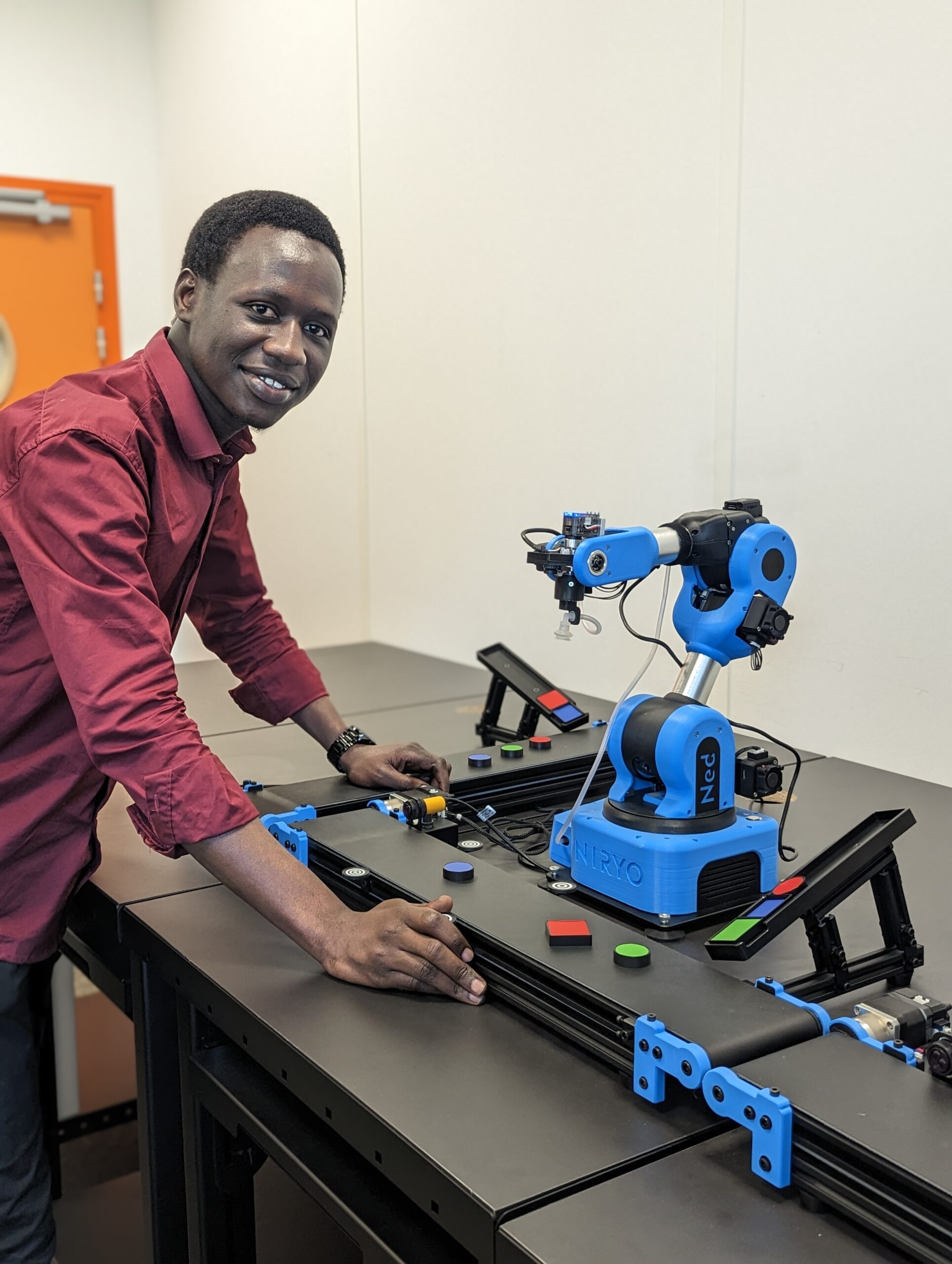
Mame Cheikh SOW
Mame Cheikh SOW is a PhD student at the CESI LINEACT Laboratory, affiliated with the Doctoral School SMI 432 at ENSAM Paris. His research focuses on predictive and real-time management of building-integrated photovoltaic (BIPV) systems. He has developed a simulation tool for Industrial BIPV (BI²PV ), a MATLAB App Designer–based simulator that synchronizes high-resolution PV generation time series with industrial consumption profiles. His work combines energy system modeling, artificial intelligence, and decision-analysis methods to improve photovoltaic utilization, operational flexibility, and economic performance in smart-factory environments.
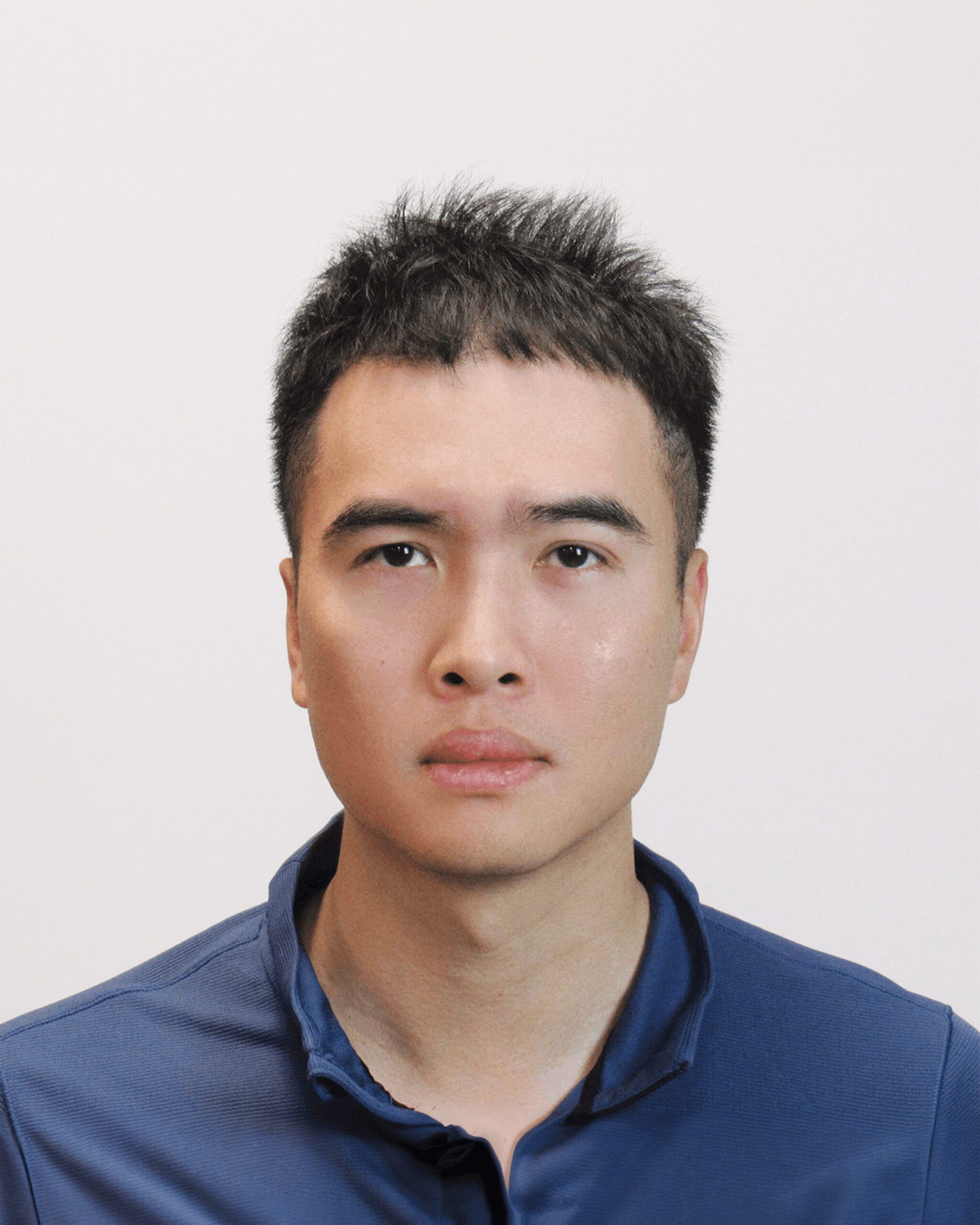
Guanzhou Ji
Guanzhou Ji is a Research Associate at Carnegie Mellon University – Illumination and Imaging Laboratory. His research focuses on 3D scene understanding, image-based rendering, and physics simulation. He received PhD in Building Performance and Diagnostics from Carnegie Mellon University in February 2025, where he worked at Robotics Institute and School of Architecture. He was awarded the Student and Emerging Professionals Scholarship (2022) by U.S. Department of Energy (DOE) and International Building Performance Simulation Association (IBPSA)-USA. Ji is a board member of the American Institute of Architects (AIA)-National Building Performance Advisory Group. He also serves on the technical committees of the Illuminating Engineering Society (IES)-Residential Lighting Committee and the International Commission on Illumination (CIE)-Technical Committee 8-18: Guidelines for the Definition and Evaluation of High Dynamic Range Images and Image Sequences, where he contributes to the development of industry standards and guidelines. Ji regularly serves as organizer, moderator, and panelist at professional conferences and workshops. He presented at Velux Daylight Academic Forum (2021), ASHRAE Conferences (2020, 2022, and 2023), Radiance Workshop (2024), and AIA Conference (2025). He serves on the program committee of International Symposium on Visual Computing (ISVC) (2025). Ji is also a member of IBPSA Education Committee and IBPSA-USA | Project StaSIO (STAndard SImulation Outputs), where he leads development of educational webinars and manages international competitions for professionals and students worldwide.
